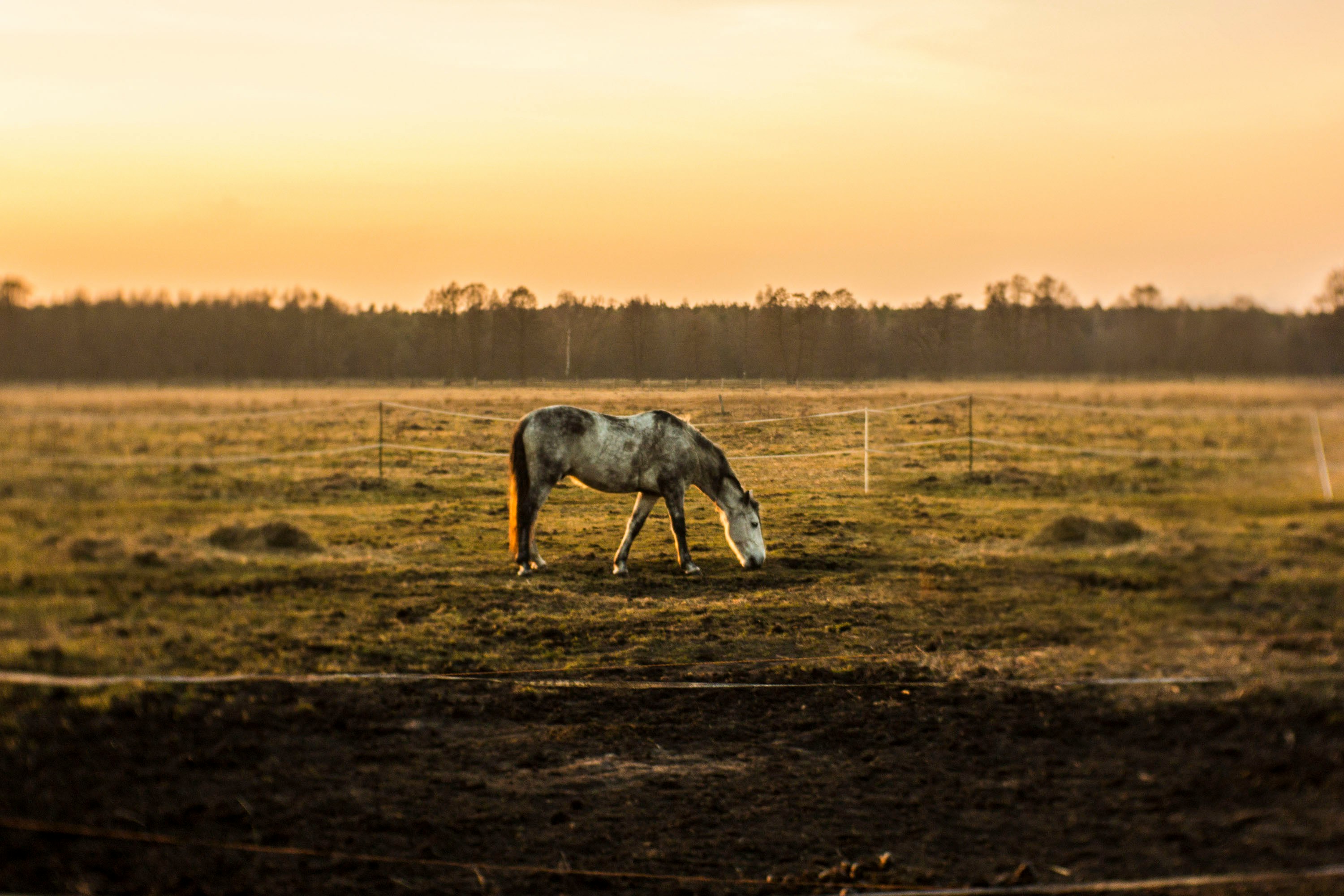
The first turnout on pasture after winter is an exciting moment for you and your horse. At the same time, introducing pasture too quickly carries risks. Fresh grass can trigger severe colic or laminitis in horses.
Why introducing pasture is so important!
During stable time, your horse has become used to roughage-rich hay and concentrate feed. The gut flora is adapted to this diet. Fresh grass contains a lot of sugar and protein - a completely different composition. Without a gradual adjustment, the digestive tract reacts with fermentation processes that can lead to painful colic.
The risk is especially high on lush spring pastures. Young grass then has the highest sugar and protein content. In sensitive horses or those with metabolic issues, the risk of laminitis rises dramatically.
The right time for the first turnout
Start introducing pasture when the grass is about 10 centimeters high. Grass that is too short contains more sugar; grass that is too long is harder to digest. The best time of day is late afternoon. Then the sugar content in the grass is at its lowest.
Avoid these situations:
Frosty grass in the morning (highest sugar content)
Turnout after rain showers on very wet pasture
Sunny days after extended rainy periods
Stressful situations for your horse
Milo takes the local weather data and your horse's profile into account in his Morning Briefing. That way you know every day whether the conditions are ideal for turnout or whether you should wait a bit longer.
Practical schedule for introducing pasture
Start with a maximum of 15 minutes on the first day. That sounds extremely short, but it is necessary. Your horse should get a taste of the grass, and the gut flora can adapt gradually.
Week 1:
Day 1-2: 15 minutes
Day 3-4: 30 minutes
Day 5-7: 45 minutes
Week 2:
Day 8-10: 1 hour
Day 11-14: 1.5 hours
From week 3: Increase by 30 minutes each day until your horse can be out on pasture all day after 4-6 weeks.
Watch your horse closely. Some need longer, others adapt more quickly. Older horses or those with pre-existing conditions often need more time.
Preparation is everything
Feed your horse hay before turnout. A hungry horse will gulp down the fresh grass and overload the digestive tract. With a full stomach, it will nibble more calmly.
Check the pasture beforehand for toxic plants. Ragwort, autumn crocus, and yew often don’t yet have their distinctive shapes in spring and can be overlooked.
Set up a separate area if possible. A smaller paddock or a fenced-off corner of the larger pasture works perfectly. There you can control the time precisely.
These warning signs must be taken seriously
Call the vet immediately if your horse shows:
Restlessness, pawing, lying down and getting up
Excessive sweating without exertion
Loss of appetite after turnout
Warm, pounding hooves
Stiff movement or pain when turning
Diarrhea or very soft manure over several days
At the first signs of colic, take your horse off the pasture immediately. Let it walk slowly at a walk and wait for the vet.
Special caution for at-risk horses
Horses with a history of laminitis, Cushing's syndrome, or insulin resistance need extra attention. Even a small amount of grass can trigger a flare-up in them.
For these horses, use a grazing muzzle with holes that greatly limits grass intake. That way they can still go out on pasture without taking unnecessary risks.
You should also introduce turnout more slowly for overweight horses. Their metabolism is often already under strain and reacts more sensitively to the change.
For very old horses, it’s best to extend the acclimation period. Their digestion works more slowly and needs more time to adjust.
Stop Guessing! Try ManeMap Pro free for 30 days
Milo analyzes the weather, training history, and health profile of your horse. In the daily briefing, you’ll learn whether today is a good day for turnout or whether you should wait a little longer. That makes introducing pasture relaxed instead of stressful.